
Winter Coat Care for Horses: How Proper Nutrition Supports a Healthy, Shiny Coat All Season Long
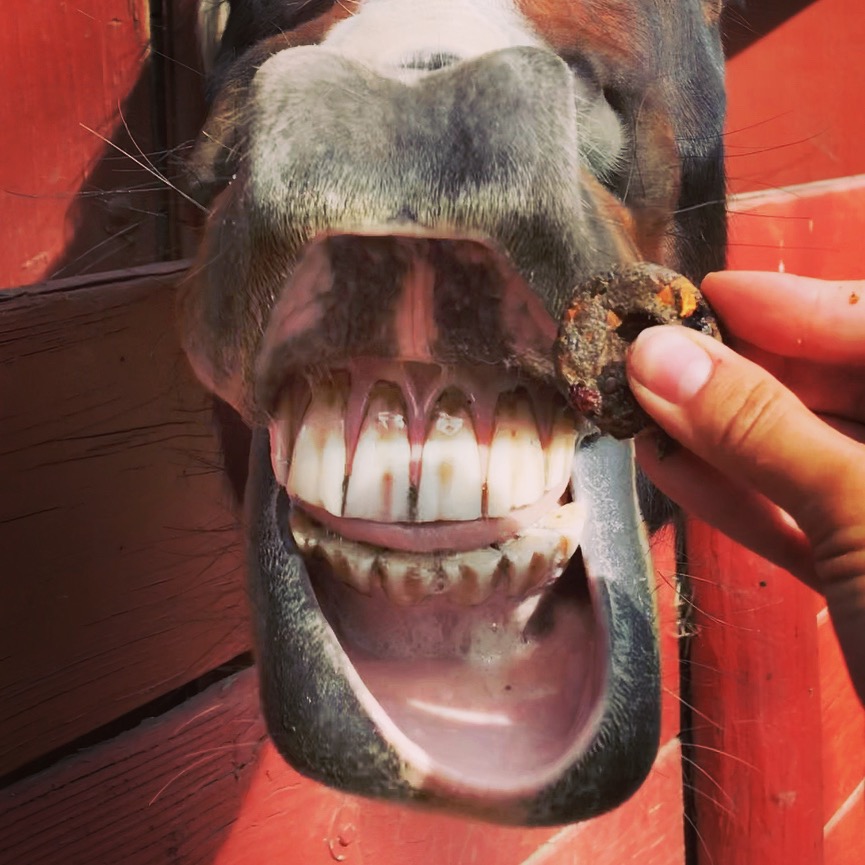
As winter settles in, many horse owners notice a familiar change: thicker coats, drier skin, and a noticeable loss of shine. While winter coats are essential for warmth and protection, they often come with grooming challenges and a duller appearance. Fortunately, a dry or lackluster winter coat isn’t inevitable.
Understanding how equine nutrition affects coat health is the key to keeping your horse looking and feeling their best throughout the colder months. With the right balance of nutrients and consistent care, you can support a healthy, shiny horse coat all winter long.
Why Horses Lose Coat Shine in Winter
Winter brings several environmental and dietary shifts that directly impact horse skin and coat health. These seasonal changes can affect hair growth, hydration, and natural oil production.
Common winter challenges for horses include:
Reduced access to fresh pasture
Increased reliance on hay-based diets
More time spent stalled or blanketed
Cold, dry air that pulls moisture from the skin
Thicker winter hair that traps dirt and limits oil distribution
Research shows that winter environmental conditions can significantly alter hair structure and skin moisture, even in healthy horses (Hoffman & Cottrill, 2014). These factors make winter coat care for horses especially important.
Why Nutrition Is Essential for a Healthy Winter Coat
While grooming improves surface appearance, true coat shine comes from internal health. A horse’s coat reflects their overall nutritional status, particularly the nutrients that support:
Hair follicle development
Skin elasticity and hydration
Natural oil (sebum) production
Protection from oxidative stress
Without proper nutrition, even the best grooming routine can only do so much. Supporting equine skin and coat health starts with a well-balanced diet.
Key Nutrients for a Shiny Winter Coat in Horses
Omega-3 Fatty Acids for Horses
Omega-3 fatty acids play a critical role in horse coat shine and skin health. They help maintain skin hydration, reduce inflammation, and support natural oil production.

Fresh pasture grass is naturally rich in omega-3s, but winter diets are often deficient. Research indicates that horses receiving adequate omega-3 supplementation show improved coat quality and skin elasticity (Lindner & Vogelsang, 2019).
Common omega-3 sources for horses include:
Ground flaxseed or flax oil
Chia seeds
Marine-based equine supplements
Adding omega-3s is one of the most effective ways to improve dry skin and dull coats in winter.
Biotin for Horse Coat and Hoof Health
Biotin is a B-vitamin essential for keratin production, making it vital for both hoof strength and coat quality. Biotin supports healthy hair growth, improving texture, strength, and overall appearance.
Clinical studies show that biotin supplementation in horses can enhance coat softness and resilience when fed consistently over time (Valentine & MacLeay, 2018). Winter is an ideal time to ensure biotin intake is adequate.
Amino Acids: Building Blocks of Hair
Hair is composed primarily of keratin, a protein made from amino acids. Two amino acids are especially important for healthy horse coat growth:
Lysine, which supports tissue repair and protein synthesis
Methionine, which provides sulfur essential for keratin strength
According to the National Research Council, diets deficient in key amino acids can lead to poor coat condition, even when total protein levels appear sufficient.
Vitamin E for Equine Skin Health
Vitamin E is a powerful antioxidant that protects skin and hair cells from oxidative damage. Horses typically receive vitamin E from fresh forage, but hay contains much lower levels—especially after long storage periods.
Horses on hay-only or low-pasture diets often require vitamin E supplementation in winter to support immune function, skin health, and coat quality (Schryver & Bowen, 2012).
A Targeted Winter Supplement That Covers All the Bases

One simple way to support winter coat health, skin integrity, and overall condition is by feeding a comprehensive supplement like Inner Glow Omega Booster. This formula delivers potent omega-3 fatty acids, which are essential for maintaining skin hydration, reducing inflammation, and supporting natural coat shine during the dry winter months. In addition, it provides all nine essential amino acids, making it a complete protein source—a particularly valuable benefit for horses who are moving less in winter. Adequate amino acid intake helps preserve muscle mass and topline health, even when exercise levels decrease. Inner Glow Omega Booster also contains naturally occurring biotin, supporting strong hair growth, coat softness, and hoof integrity. By combining multiple critical nutrients into a single, clean supplement, Inner Glow Omega Booster simplifies winter feeding and can truly change the game—supporting coat shine, skin health, and overall wellness from the inside out.
Healthy Horse Treats That Support Coat Health
Treats don’t have to undermine your horse’s nutrition. Choosing healthy horse treats made with whole ingredients can provide additional nutrients that support coat and skin health.
Look for treats that:
Use natural, recognizable ingredients
Avoid excessive sugars and artificial additives
Offer fiber, healthy fats, or antioxidants
Smart treat choices (such as Super Food Horse Treats!) can complement your horse’s winter nutrition plan.
Winter Grooming Tips to Enhance Coat Shine

Nutrition provides the foundation for a healthy coat, but proper winter grooming for horses helps distribute natural oils and improve appearance.
Effective winter grooming habits include:
Daily currying to stimulate circulation
Using moisturizing sprays to combat dry air
Keeping blankets clean to reduce friction
Encouraging proper hydration, which directly impacts skin elasticity
Hydration is often overlooked in winter, yet decreased water intake can contribute to dry skin and dull coats (Shearer & Fell, 2000).
How to Maintain a Shiny Horse Coat All Winter
Supporting a healthy winter coat requires consistency. Small nutritional adjustments and steady routines can make a significant difference over time.
Key winter coat care tips for horses:
Evaluate forage quality and storage
Add omega-3 supplements when pasture is limited
Balance vitamins and minerals according to NRC guidelines
Choose functional treats over sugary snacks
Maintain consistent feeding and grooming routines
Healthy Horse Coats Start from the Inside
A dull winter coat isn’t just a cosmetic issue—it’s often a sign that your horse needs additional nutritional support. By focusing on equine winter nutrition, you can support skin health, promote natural shine, and help your horse look and feel their best all season long.
Winter may change your horse’s coat, but with proper care, it doesn’t have to take away their glow.
References
National Research Council (NRC). Nutrient Requirements of Horses. 6th ed. Washington, DC: The National Academies Press; 2007.https://doi.org/10.17226/11653
Harris, P. A., & Geor, R. J. (2016). Equine Applied and Clinical Nutrition: Health, Welfare and Performance. Elsevier Health Sciences.
Lindner, A. G., & Vogelsang, S. (2019). Role of fatty acids in skin health and hair growth in horses. Journal of Equine Veterinary Science, 77, 45–52.https://doi.org/10.1016/j.jevs.2019.06.003
Valentine, B. A., & MacLeay, J. M. (2018). Biotin supplementation for equine hoof and coat quality. Veterinary Clinics of North America: Equine Practice, 34(3), 457–470.https://doi.org/10.1016/j.cveq.2018.04.004
Schryver, H. F., & Bowen, M. E. (2012). Vitamin E supplementation and skin health in horses. Journal of Equine Science, 23(2), 25–32.https://doi.org/10.1294/jes.23.25
Shearer, J. K., & Fell, L. R. (2000). Nutrition and coat condition in horses. Veterinary Clinics of North America: Equine Practice, 16(1), 113–126.https://doi.org/10.1016/S0749-0739(17)30222-7
Hoffman, R. M., & Cottrill, C. L. (2014). Effects of winter environment on equine hair coat and skin. Equine Veterinary Education, 26(3), 126–134.https://doi.org/10.1111/eve.12113


Comments