
How Cold Weather Changes Your Horse's Feed Intake
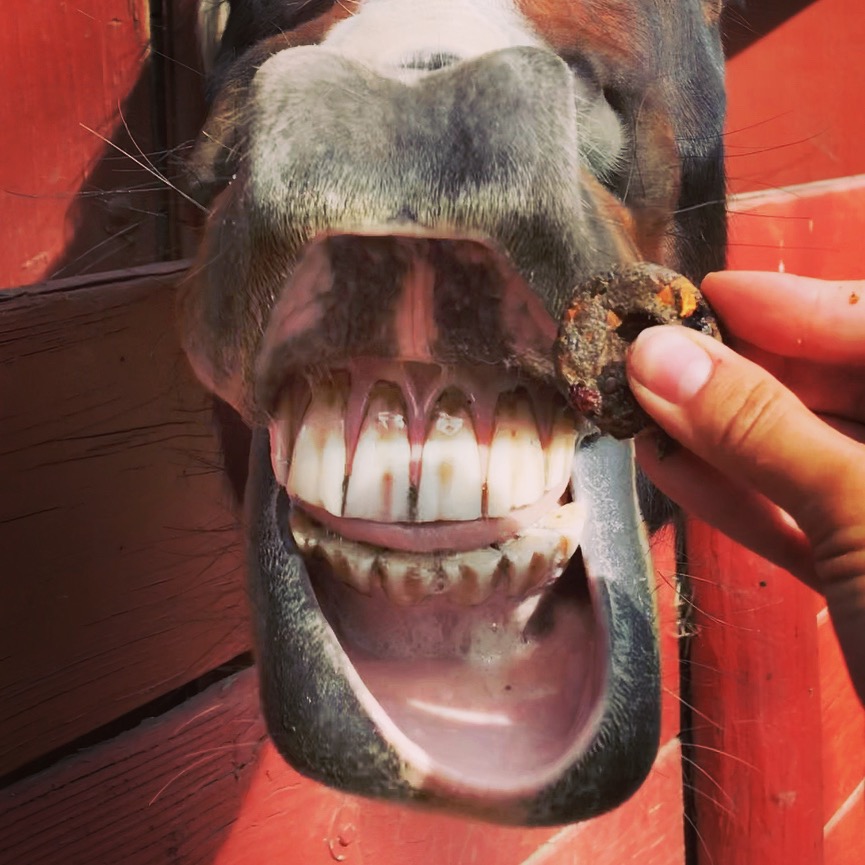
Appetite, Chewing Time, and Forage Waste in Cold Weather
Winter horse feeding is about more than increasing hay. Cold weather changes how much a horse eats, how long a horse chews, and how much forage is actually consumed.
On paper, winter feeding programs often look unchanged. The hay ration may remain the same. Grain portions stay consistent. Supplements are measured carefully. But actual intake can quietly shift.
These seasonal changes in appetite, chewing behavior, hydration, and forage waste are subtle. They are easy to miss unless someone is carefully observing patterns. Not just pounds offered, but pounds consumed. Not just what is fed, but how it is eaten.
Understanding how cold weather affects horse appetite, chewing time, and hay waste allows small adjustments to be made before weight loss, digestive issues, or behavioral changes appear.
Effective winter horse nutrition is less about feeding more and more about paying closer attention.

Does Cold Weather Increase a Horse’s Appetite?
A common belief in winter horse care is that horses naturally eat more when it is cold. Metabolically, they often should.
According to the National Research Council (2007), a horse’s energy requirements increase when temperatures fall below the lower critical temperature, or LCT. For a healthy adult horse with a full winter coat, this temperature is typically around 5°C or 41°F. However, the LCT varies depending on body condition, shelter, wind exposure, and whether the horse is clipped or blanketed.
For every degree Celsius below the LCT, maintenance energy requirements can increase by approximately 2 to 2.5 percent. Horses generate heat through hindgut fermentation of fiber, which is why adequate forage intake is critical during cold weather.
In theory, colder temperatures should stimulate greater hay intake. In practice, that does not always happen.
Research shows that voluntary feed intake in horses is influenced by multiple factors beyond temperature alone. Ralston (2002) highlights the importance of hydration status, photoperiod, stress levels, forage quality, and social dynamics in regulating appetite.
Many horses do not automatically increase intake during winter, even when energy demands rise.
Why Horses May Eat Less in Winter
If your horse’s appetite decreases in cold weather, the cause is often multifactorial.
Reduced Daylight and Altered Grazing Patterns
Horses evolved to graze for 14 to 18 hours per day. Shorter daylight hours and increased stall confinement can reduce natural grazing behavior and overall movement. Reduced locomotion can blunt hunger cues. Additionally, seasonal changes in light exposure influence melatonin and cortisol rhythms, which may indirectly affect feeding behavior.
Winter management changes often disrupt natural intake patterns without obvious warning signs.
Decreased Water Intake in Cold Weather
Water intake in horses during cold weather commonly declines. Research demonstrates that horses drink significantly less when water temperatures fall below 7 to 10°C or 45 to 50°F.
Even mild dehydration can reduce appetite and slow gut motility. The National Research Council (2007) identifies decreased water consumption as a major risk factor for winter colic, particularly impaction colic.
A horse that is slightly dehydrated may appear less interested in hay long before more serious symptoms develop.
Maintaining adequate hydration is one of the most overlooked components of winter horse feeding.
Stress and Management Changes

Winter routines often include blanketing, altered turnout schedules, frozen footing, and shifting herd groupings. These adjustments may seem minor, but horses are highly sensitive to environmental stability.
Elevated stress hormones such as cortisol can influence appetite regulation. A horse that consistently leaves small amounts of hay may be communicating discomfort, dental pain, mild dehydration, or management stress rather than simple pickiness.
Appetite changes in winter should always be viewed as useful information.
Chewing Time and Equine Digestive Health in Winter
Chewing behavior is one of the most important indicators of digestive health in horses.
Horses are anatomically designed for continuous forage consumption. Pagan (1998) reports that horses may chew 60,000 to 70,000 times per day when allowed free choice hay access. Each minute of chewing stimulates saliva production. Saliva buffers stomach acid and protects the squamous region of the stomach from ulcer formation.
Reduced chewing time during winter can contribute to gastric discomfort.
How Cold Weather Affects Chewing Behavior
Frozen hay becomes brittle. Very dry winter hay becomes less pliable. Both increase the mechanical effort required to chew.
Harris et al. (2005) demonstrated that forage type and presentation significantly influence chewing rate and total feeding time. Coarse or stem heavy hay requires more chewing per bite compared to softer, leafy forage.
In winter, hay texture changes can increase chewing effort while simultaneously reducing total intake.
Dental Health and Winter Forage
Dental irregularities often become more apparent in winter when horses rely exclusively on dry hay rather than soft pasture.
Minor enamel points, wave mouth, or uneven wear can reduce chewing efficiency. Horses may sort hay, leave coarse stems, or walk away frequently. Dropped quids, slower eating, or prolonged chewing may indicate dental discomfort rather than behavioral preference.
Routine dental care is essential for maintaining winter forage intake.
Feeding Frequency and Gastric Health
Large, infrequent hay meals can reduce total chewing time across 24 hours.
Horses secrete gastric acid continuously. Without consistent forage intake, stomach pH drops, increasing ulcer risk. Research on equine gastric ulcer syndrome indicates that long fasting periods are associated with greater gastric acid exposure.
Winter feeding schedules that create extended gaps between meals can inadvertently reduce appetite and digestive comfort.
Hay Waste in Winter: A Hidden Nutritional Loss
Hay waste in winter is frequently underestimated.
Feeding hay on frozen or muddy ground increases contamination and trampling. Studies evaluating hay feeder design have reported forage waste ranging from 5 percent in well designed feeders to over 30 to 40 percent when hay is fed directly on the ground (McCoy et al., 2013).
This loss affects more than your budget.

Sorting Behavior and Nutrient Intake
Horses often sort hay more aggressively in winter, selecting softer leaves and discarding coarse stems. As hay dries during storage, leaf shatter can reduce available protein and digestible energy. The leftover residue may appear substantial, creating the impression of adequate intake, even when actual caloric consumption has declined.
Wind exposure, snow accumulation, and freeze thaw cycles further reduce accessible forage.
True winter horse nutrition depends on what is consumed, not what is offered.
Signs Your Horse’s Winter Feed Intake Is Changing
Rather than relying solely on a winter feeding chart, observe these indicators:
Is hay being finished at a consistent rate?
Has manure output decreased or become drier?
Is chewing time longer or shorter than usual?
Is more hay left behind each day?
Does your horse approach feed eagerly but walk away quickly?
Are you noticing subtle body condition changes along the ribs or topline?
Research consistently shows that voluntary feed intake in horses responds to behavioral and environmental influences as much as caloric demand. Manure output is a particularly valuable indicator of hydration and intake. Reduced fecal volume often precedes visible weight loss.
Close observation is one of the most powerful tools in winter horse care.
How to Improve Winter Horse Feeding and Intake
Small management adjustments can significantly improve cold weather horse nutrition.
Improve Hay Containment
Using feeders that reduce trampling can lower hay waste by up to 30 percent compared to ground feeding. Slow feeders can extend chewing time and mimic natural grazing behavior.
Increase Feeding Frequency
Providing hay in multiple smaller feedings or offering near continuous access supports gastric buffering and stabilizes intake patterns.
Maintain Appropriate Water Temperature
Providing water between 10 and 18°C or 50 to 65°F increases voluntary water intake compared to near freezing temperatures (Kristula and McDonnell, 1994). Improved hydration directly supports appetite and gut motility.
Schedule Routine Dental Care
Ensuring proper dental balance before winter reduces chewing inefficiency and forage sorting.
Protect Hay Quality
Store hay under cover, protect it from wind exposure, and prevent moisture cycling to preserve leaf integrity and nutrient density.
These management changes are subtle. They do not dramatically alter the feed chart. However, over the course of a winter season, they can significantly impact weight maintenance, digestive health, and overall resilience.
Why Monitoring Winter Feed Intake Matters
Cold weather horse nutrition influences more than body weight.
Thermoregulation, immune function, and hindgut microbial balance all depend on consistent fiber intake. The hindgut microbial population produces volatile fatty acids through fermentation, supplying a major source of energy and internal heat.
Interruptions in forage intake can disrupt microbial stability and reduce fiber digestibility.
Horses that enter spring with stable weight, healthy digestion, and steady energy are typically those whose winter intake was carefully observed and adjusted as needed.
Winter feeding is not simply about adding more hay. It is about understanding how cold weather changes equine behavior and responding thoughtfully.
At Twenty Four Carrots, we believe winter horse feeding requires both science and observation. Our horses consistently communicate how seasonal changes affect them. Winter simply requires us to listen more closely.
References
American Association of Equine Practitioners (AAEP). (n.d.). Winter Feeding and Management of Horses. American Association of Equine Practitioners.
Geor, R. J., Harris, P. A., & Coenen, M. (2013). Equine Applied and Clinical Nutrition. Elsevier.
Harris, P. A., Ellis, A. D., Fradinho, M. J., Jansson, A., Julliand, V., Luthersson, N., Santos, A. S., Vervuert, I. (2005). Effects of forage type and presentation on feeding behavior in horses. Journal of Equine Veterinary Science, 25(4), 147 to 154.
Kristula, M. A., & McDonnell, S. M. (1994). Drinking water temperature affects consumption of water during cold weather in ponies. Applied Animal Behaviour Science, 41, 155 to 160.
McCoy, A. M., et al. (2013). Evaluation of hay feeder design and forage waste in horses. Applied Engineering in Agriculture, 29(1), 45 to 50.
Murray, M. J. (1999). Pathophysiology of gastric ulceration. Equine Veterinary Education, 11(1), 7 to 12.
National Research Council. (2007). Nutrient Requirements of Horses (6th rev. ed.). Washington, DC: National Academies Press.
Pagan, J. D. (1998). Forage intake, chewing behavior, and digestive health. Kentucky Equine Research.
Ralston, S. L. (2002). Factors affecting feed intake in horses. Veterinary Clinics of North America: Equine Practice, 18(2), 277 to 289.


Comments