
Why Your Horse Might Have Sand in Their Gut Even If They Don’t Live on Sand
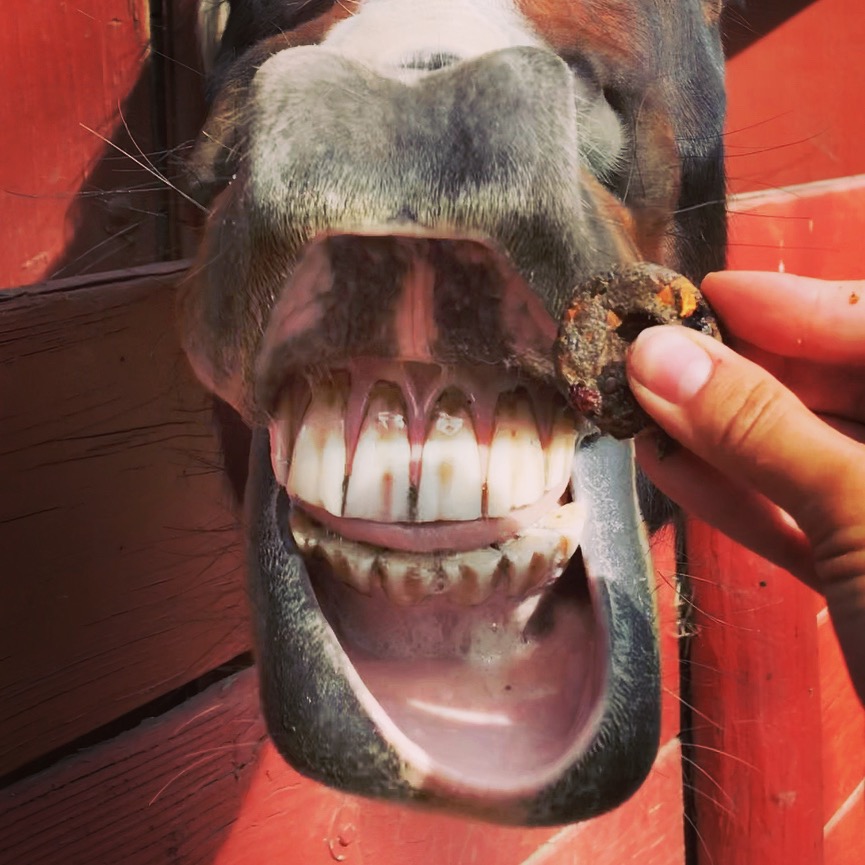
Most horse owners think sand colic only happens to horses living in deep sand paddocks.
Unfortunately, that is not true.

Veterinarians are finding sediment buildup in horses from all kinds of environments including grassy pastures, dry lots, show barns, irrigated fields, and even horses fed on mats. The reality is simple. Horses naturally ingest dirt and fine particles every single day.
And over time, that buildup can become a serious digestive issue.
What makes this especially concerning is that many horses show little to no obvious symptoms until the digestive tract is already under stress.
That is exactly why more horse owners are adding preventative sediment purges into their regular wellness routine.
Yes, Horses Can Pick Up Sediment Almost Anywhere
Even horses that never step foot in a sandy paddock can accumulate sediment in the digestive tract.
It can happen from:
Grazing closely cropped pasture
Eating hay off the ground
Wind blowing dirt into feed buckets
Dry summer conditions
Riding in dusty arenas
Sparse pasture coverage
Muddy turnout areas drying out
Trail riding
Natural grazing behavior
Every time a horse eats close to the ground, there is potential for ingesting fine particles.
Those particles can settle in the cecum and large colon where they may contribute to:
Loose manure
Poor nutrient absorption
Weight loss
Digestive irritation
Mild recurring colic
Reduced performance
Dull coat quality
Chronic inflammation
Severe sand colic in advanced cases
What surprises many owners is that veterinarians are now finding sediment accumulation in horses that appear completely normal on the outside.
The Digestive Problem Most Owners Miss Until It Becomes Serious

Sand colic rarely happens overnight.
In many cases, the digestive tract has been dealing with sediment buildup for weeks or even months before a horse ever shows symptoms.
That is why preventative digestive care has become such a major focus in modern equine wellness.
More horse owners are now prioritizing:
Constant forage access
Fresh water intake
Elevated feeding when possible
Monthly digestive support
Routine sediment purges
Because preventing a digestive emergency is always easier than treating one.
The Truth About Psyllium That More Horse Owners Need to Know
For years, psyllium has been considered the standard for sand removal in horses.
But newer research and veterinary observations are raising important questions about how effective psyllium actually is when used alone.
Psyllium works by creating a sticky gel-like consistency, called mucilage, inside the digestive tract that is supposed to trap and move sediment out of the gut. The problem is that psyllium gel can become dense, compact, and move through the digestive tract relatively quickly. Some studies have shown inconsistent results when psyllium is used by itself.
Researchers and veterinarians have observed that:
Psyllium may move through the digestive tract too quickly
Horses may adapt to repeated psyllium use
Heavy sediment may not suspend effectively with psyllium alone
Results are often better when combined with mineral oil
That last point is important.
Many veterinarians report improved sediment clearance when psyllium is paired with mineral oil and proper hydration support.
At the same time, more horse owners are looking for alternatives that support the digestive tract naturally without relying on artificial additives, preservatives, sweeteners, or psyllium husk products.
That shift is exactly why holistic whole-food approaches to digestive care are gaining so much attention.
Meet Sand-Less
The Whole Food Monthly Sediment Purge Horse Owners Are Talking About
At Twenty Four Carrots, we wanted to create something different.
Not another sugary supplement loaded with fillers.
Not another artificially flavored psyllium product.
We wanted a product that supports the digestive system naturally while helping remove sediment from the gut.
That is exactly why we created Sand-Less.

Sand-Less is a nutrient-dense whole-food monthly intestinal purge designed for horses exposed to dirt, sediment, and fine particles from everyday life.
Whether your horse:
Lives in a dry lot
Grazes pasture
Eats hay off the ground
Travels regularly
Competes
Lives in a sandy climate
Or simply behaves like a horse...
Sand-Less was designed to support healthy digestion and help clear sediment naturally.
How the "Gel" in Sand-Less Is Different
One of the biggest differences between Sand-Less and traditional psyllium products is the type of gel (mucilage) created inside the digestive tract once the dry blend absorbs moisture.
Instead of relying on a single concentrated husk ingredient, Sand-Less uses multiple whole-food ingredients that become hydrated and gelatinous in a very different way.
The flax and chia in Sand-Less create a softer, highly hydrated mucilage that distributes throughout the digestive contents rather than forming one dense mass.
This matters because:
The gel remains highly hydrated
It helps support overall hindgut moisture
It creates bulk throughout the digestive tract
It may help suspend sediment more evenly
It supports healthy digestive movement instead of creating one concentrated clump
The addition of tapioca pearls creates another unique texture change. When hydrated, the pearls become gummy and expanded which may help physically sweep sediment through the digestive tract alongside the mucilage-rich ingredients.
Rather than relying on a single fiber source, Sand-Less creates a multi-textured whole-food digestive matrix designed to:
Hydrate
Suspend
Bulk
Sweep
Nourish
All while supporting the hindgut nutritionally.
That is one reason many horse owners are making the switch away from traditional psyllium-based products.
Why Horse Owners Are Switching to Sand-Less
Unlike many traditional sediment products, Sand-Less is:
✓ Psyllium free
✓ Whole-food based
✓ Free from artificial flavors
✓ Free from propionic acid
✓ Molasses free
✓ Sweetener free
✓ Free from ammonium hydroxide
✓ Low NSC and third-party tested
There is also a fennel-free option for pregnant mares.
And unlike powdered psyllium products, there is no risk of irritating husk dust inhalation.
What Else Sets Sand-Less Apart?
The secret is in the ingredients.
Every ingredient was chosen intentionally to support natural digestive movement, hydration, hindgut health, and sediment clearance.
Cold-Milled Gold Flax Seeds
Flax is incredibly rich in mucilage, a soluble fiber that swells dramatically when exposed to moisture.
That gel-like consistency helps suspend and move sediment through the digestive tract while also supporting:
Healthy digestion
Omega intake
Amino acids
Coat quality
Overall gut health
Unlike harsher ingredients, flax is gentle and nourishing to the horse.

Chia Seeds
Chia contains even more mucilage than flax and becomes highly gelatinous when hydrated.
This helps create additional bulk and moisture in the hindgut which may support:
Digestive motility
Cecal fill
Sediment suspension
Healthy manure consistency
Chia also delivers omega-3 fatty acids, antioxidants, and important minerals.
Tapioca Pearls
When exposed to moisture, tapioca pearls expand and become gummy which helps sweep sediment through the digestive tract.
They also provide iron and copper which support blood health.
Combined with flax and chia, they create a unique whole-food digestive support system that horse owners are quickly falling in love with.
Fennel
Fennel has been used for centuries as a digestive remedy.
It helps:
Soothe sensitive stomachs
Encourage saliva production
Support gastric juices
Promote healthy intestinal flora
Calm digestive spasms
It also smells incredible which horses seem to appreciate.
The Missing Piece Most Owners Overlook
No sediment purge works properly without forage and water.
Healthy digestion depends on constant movement through the digestive tract.
That means horses need:
Plenty of forage
Consistent hydration
Healthy gut motility
A horse on restricted forage or minimal hay intake will never benefit from a purge product as effectively as a horse receiving adequate forage and fresh water.
Sand-Less is designed to work alongside proper digestive management, not replace it.
What Veterinarians Are Seeing
Horse owners and veterinarians are reporting has been incredibly exciting.
Many are seeing:
Improved manure quality
Cleaner ultrasounds
Reduced visible sediment on radiographs
Happier digestive systems
Improved comfort and consistency
And in many cases, veterinarians are saying something very simple:
“The sand is gone.”
That matters.
Why More Owners Are Choosing Quarterly Maintenance Purges

Many horse owners wait until there is already a digestive issue before addressing sediment buildup.
But preventative care is becoming the smarter approach.
That is why more owners are incorporating quarterly maintenance purges into their horse’s wellness routine.
Especially horses that:
Eat off the ground
Live outdoors
Compete regularly
Travel often
Live in dry climates
Have sensitive digestion
Graze sparse pasture
Routine digestive maintenance can help support long-term gut health before problems begin.
The Sediment Purge Your Horse’s Gut Has Been Waiting For
Sand-Less Features:
✓ Holistic monthly sediment purge
✓ Whole-food ingredients
✓ Supports hindgut health
✓ Helps maintain healthy digestion
✓ Low NSC and third-party tested
✓ Psyllium free
✓ No artificial junk
Available Sizes:
4lb Bag: Perfect for one 7-day purge for the average horse.
20lb Bulk Bag: Includes five full purges and is ideal for multi-horse barns or quarterly maintenance programs.
Limited Time Offer
Save 20% Off Sand-Less May 25 - June 1, 2026
Your horse does not need to live on sand to struggle with sediment buildup.
And by the time symptoms appear, the digestive tract may already be under stress.
A preventative purge could be one of the easiest ways to support your horse’s long-term digestive health.
Give your horse the gut support they deserve with Sand-Less.
✔ Whole-food digestive support✔ Natural sediment removal✔ Trusted by horse owners everywhere✔ Designed for real-world horses and real-world environments


Comments