
Hydration Heroes: Why Electrolytes Matter More Than You Think
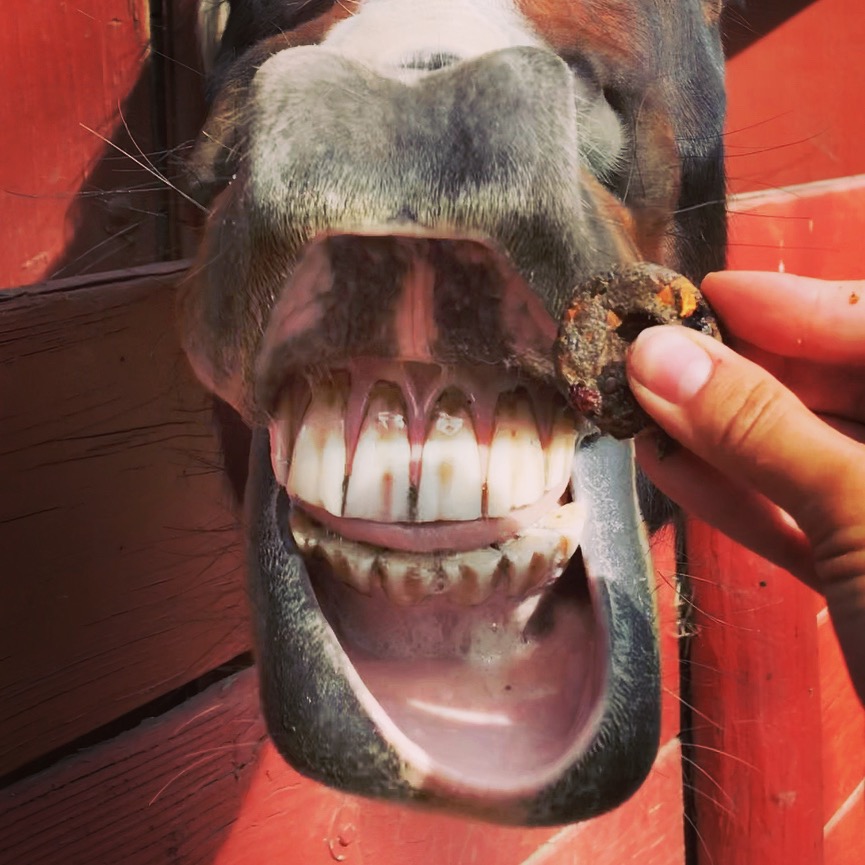
Did you know horses can lose up to two gallons (about 7.5 liters) of sweat during just one hour of exercise? That’s not just water leaving the body—it’s a concentrated blend of vital minerals that directly fuel your horse’s muscles, nervous system, and hydration balance. Without replacing these minerals, called electrolytes, horses are at risk for dehydration, poor performance, muscle weakness, and delayed recovery.
Whether your horse is a high-level eventer, an endurance competitor, or simply working in hot weather, electrolyte replenishment is one of the most overlooked yet essential aspects of equine care. This article will explore what electrolytes are, why they matter, how to spot deficiencies, and the best ways to ensure your horse is getting enough.
Understanding Electrolytes in Horses
Electrolytes are minerals that carry an electric charge when dissolved in water or body fluids. These ions are critical to nearly every physiological function, from muscle contraction to nerve signaling. In horses, the primary electrolytes include:
Sodium (Na⁺): Maintains fluid balance, triggers thirst, and helps transmit nerve impulses.
Chloride (Cl⁻): Works with sodium to regulate fluid balance and supports stomach acid production for digestion.
Potassium (K⁺): Crucial for cell function, muscle activity, and maintaining hydration inside cells.
Calcium (Ca²⁺): Found mostly in bones and teeth, but also essential for muscle contractions, nerve signaling, and blood clotting.
Magnesium (Mg²⁺): Supports over 300 metabolic processes, aids muscle relaxation, and works in tandem with calcium for nerve and muscle function.
A unique aspect of equine physiology is that horse sweat contains higher concentrations of electrolytes than blood plasma—significantly more than human sweat (McCutcheon & Geor, 2008). This means that during sweating, horses lose electrolytes at a disproportionately high rate. The white, chalky residue often seen on a horse’s coat after exercise is a visible sign of this mineral loss.
Why Electrolytes Matter for Performance

Electrolytes regulate the balance of fluids between cells, tissues, and organs. When levels drop too low, nerve and muscle function becomes impaired, and the horse’s ability to cool itself diminishes (Sosa León et al., 2019).
During moderate to intense exercise—especially in hot or humid environments—a horse can lose 10–20 liters of sweat per hour (Lindinger, 2008). Along with water, this sweat carries sodium, chloride, and potassium out of the body. If these losses are not replaced, the horse may experience:
Reduced muscle efficiency
Decreased stamina and performance
Slower recovery times
Increased risk of heat stress
Endurance horses, eventers, and racehorses are especially vulnerable because prolonged activity compounds electrolyte losses.
Signs of Electrolyte Imbalance in Horses
Recognizing the signs of electrolyte depletion early can prevent serious health consequences. Common indicators include:
Lethargy or dullness
Muscle twitching or spasms
Poor recovery after exercise
Reduced or absent sweating (anhidrosis)
Decreased water intake
Impaired coordination or willingness to work
In more severe cases, electrolyte imbalances can contribute to tying-up (exertional rhabdomyolysis), heat exhaustion, or colic (McKenzie et al., 2002).
When to Supplement Electrolytes
While hot weather and intense exercise are obvious triggers for supplementation, there are other scenarios where electrolyte support is critical:
Travel & Trailering – Long hauls can dehydrate horses due to stress, restricted water access, and elevated body temperatures inside trailers.
Illness – Diarrhea, fevers, and infections can cause rapid electrolyte losses. Research by Ecke et al. (1998) found that sodium is primarily lost via feces during gastrointestinal disturbances, while potassium losses are greater in urine.
Stressful Situations – New environments, competitions, or sudden changes in routine can elevate cortisol levels, altering hydration and mineral balance.
For horses in regular training or competition, electrolyte supplementation should be proactive, not just reactive.
Supplementing Electrolytes: Methods and Considerations
Electrolytes can be provided in various forms, each with pros and cons:
Powder: Can be added to feed or water, though some horses may reject flavored or salty feed.
Pellets: More palatable and easier to feed consistently.
Liquids/Pastes: Useful for targeted supplementation before, during, or after exercise, particularly in high-heat conditions.
Important: Electrolytes should always be given alongside access to fresh, clean water. Supplementing without water availability can worsen dehydration.

Natural Sources of Electrolytes
While commercial supplements are convenient, horses also obtain electrolytes naturally:
Forage and Pasture: Rich in potassium, especially in lush green grass.
Salt Blocks or Loose Salt: Provide sodium and chloride. Loose salt is often more effective, as some horses do not lick blocks enough to meet their needs.
However, natural sources alone are rarely enough for horses in hard work or extreme climates.
Hydration and Electrolyte Management Tips
Track water intake – Use buckets instead of automatic waterers when possible, so you can monitor consumption.
Perform the skin pinch test – Pinch the skin on the neck; if it stays tented, dehydration may be present.
Pre-load electrolytes – Start supplementation before a long competition, ride, or trip, not just afterward.
Encourage drinking – Offer flavored water at home to encourage intake away from familiar sources.
Myths About Electrolytes
Myth #1: Horses always know when they need salt/electrolytes.While horses will seek salt if available, their voluntary intake does not always match their physiological needs (Johnson et al., 2010).
Myth #2: Electrolytes are only needed in hot weather.Cold-weather exercise still generates sweat losses, and stress or illness can cause electrolyte depletion year-round.
Myth #3: Giving electrolytes always makes horses drink more.Electrolytes can stimulate thirst, but only when sodium levels are low and fresh water is available (Schott et al., 2019).
The Bottom Line
Electrolytes are not an optional extra—they are a core component of equine health and performance. Without them, a horse’s hydration, muscle function, and recovery can suffer, potentially leading to serious health issues.
Work with your veterinarian to determine the most appropriate electrolyte strategy for your horse based on their workload, climate, and health history. For performance horses, this may mean daily supplementation during training and competition season, as well as targeted dosing before and after major exertion.
By making electrolyte management a regular part of your horse’s care, you help ensure they remain healthy, hydrated, and ready to perform at their best.
AReferences
Ecke, G. L., et al. (1998). Induced diarrhoea in horses. Part 1: Fluid and electrolyte balance. Research in Veterinary Science, 56(2), 216–224. https://doi.org/10.1016/S0034-5288(98)90047-8
Johnson, P. J., et al. (2010). Electrolyte supplementation in performance horses: Voluntary intake and physiological needs. Journal of Equine Veterinary Science, 30(5), 254–260.
Kentucky Equine Research. (2011). What are electrolytes and why are they important? Equinews. Retrieved from https://ker.com/equinews/
Lindinger, M. I. (2008). Sweating, dehydration and electrolyte supplementation: Challenges for the performance horse. Proceedings of the 4th European Equine Health & Nutrition Congress, 28–45.
McCutcheon, L. J., & Geor, R. J. (2008). Sweat fluid and ion losses in horses during training and competition. Equine and Comparative Exercise Physiology, 5(1), 15–23. https://doi.org/10.1017/S1478061508185332
McKenzie, E. C., et al. (2002). Dehydration and electrolyte depletion in endurance horses. Equine Veterinary Journal, 34(5), 425–430.
Schott, H. C., et al. (2019). Fluid and electrolyte balance in exercising horses: Physiology and supplementation strategies. Journal of Veterinary Internal Medicine, 33(6), 2740–2752.
Sosa León, L. A., et al. (2019). Electrolyte balance and performance in sport horses. Revista Brasileira de Zootecnia, 48, e20180260. https://doi.org/10.1590/rbz4820180260


Comments