
Could One Missing Nutrient Be Affecting Your Horse's Joints, Coat, and Gut?
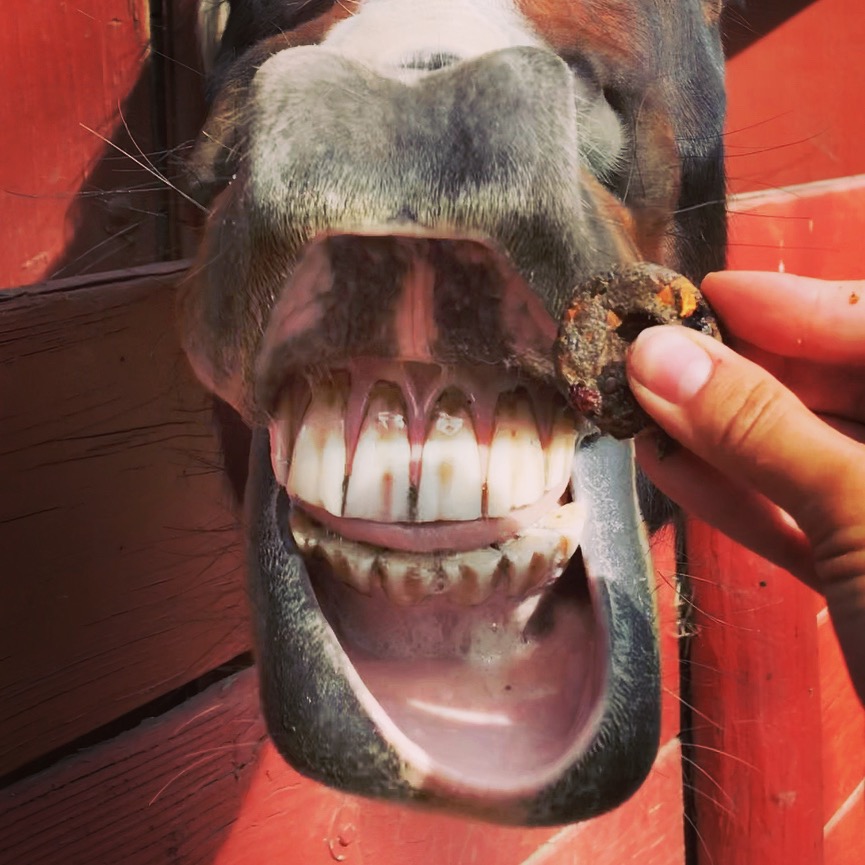
We all want our horses to thrive, whether they are high-performance athletes, steady lesson ponies, or retired pasture companions enjoying their golden years. The truth is that real well-being starts on the inside, often in ways that go completely unnoticed until a problem begins to surface. By the time you see the stiff first steps out of the stall or the dull, flaky winter coat, the underlying imbalance has usually been building for months.
That is one reason so many thoughtful horse owners are paying closer attention to omega-3 fatty acids and the role they play in long-term health. Products like our Inner Glow Omega Booster are designed to support horses from the inside out, with benefits that can show up in everything from joint comfort to coat condition and overall demeanor.
Understanding the science behind why these nutrients matter, and why the modern equine diet almost guarantees a shortfall, makes it clear that omega-3 support is not a luxury add-on. It is foundational.
What Omega-3s Actually Do in the Body
Omega-3s are essential fatty acids, which means they must come from the diet because the horse's body cannot manufacture them on its own. Once consumed, they are incorporated directly into cell membranes throughout the body, where they influence how cells communicate, repair themselves, and respond to stress. In practical terms, the fatty acids your horse eats today become part of the physical structure of their cells tomorrow.

One of the most important jobs these fats perform is helping to regulate inflammation. When the body experiences stress from exercise, travel, competition, aging joints, or ordinary tissue strain, it produces inflammatory mediators as part of its normal repair process. Omega-3s help steer this response toward a more balanced pathway by influencing the production of signaling compounds called eicosanoids, favoring those associated with a controlled, resolving inflammatory response rather than one that runs hot for too long.
Importantly, omega-3s do not switch inflammation off. Inflammation is a necessary part of healing, and you would never want to eliminate it entirely. What these fats appear to do is help modulate its intensity and duration, so the body can resolve the response and move on rather than staying stuck in a low-grade inflammatory state.
The research in horses specifically is encouraging on this point. In a frequently cited study at Texas A&M University, sixteen mature horses with arthritis of the knee, fetlock, hock, or stifle were supplemented with omega-3 fatty acids.
The supplemented group showed lower levels of white blood cells in their joint fluid, along with lower plasma fibrinogen and prostaglandin E2, both recognized markers of inflammation. A separate exercise study measured prostaglandin E2 in working horses over sixty-three days and found that supplemented horses carried lower concentrations of that inflammatory marker at days thirty-five and sixty-three than unsupplemented controls, even as workload increased.
Where Do Omega-3s Come From?
In nature, horses obtain their omega-3s from fresh forage. Green, growing grass is rich in alpha-linolenic acid, or ALA, the plant-based omega-3 that a grazing animal's body is built to expect. A horse evolving on open pasture, grazing for the better part of the day, took in a steady, generous supply.

The modern horse rarely lives that way. Once forage is cut and dried into hay, its omega-3 content declines significantly through oxidation and storage. The longer hay sits, the less it retains. Add in the reality that most horses spend limited time on quality pasture, and many are fed grain- or concentrate-based rations, and the result is a diet that looks nothing like the one the horse's biology was designed around.
That last point deserves emphasis, because it is the crux of the whole issue. Grains and many commercial concentrates are comparatively high in omega-6 fatty acids. Omega-6s are not villains, and the body genuinely needs them, but the balance between omega-3 and omega-6 is what matters. Equine nutritionists generally suggest the diet should favor omega-3 at something in the neighborhood of a four-to-one ratio, and modern feeding practices routinely skew the other way. A diet tilted heavily toward omega-6, without enough omega-3 to counterbalance it, nudges the body toward a more pro-inflammatory baseline.
This is why omega-3 supplementation is best understood not as optional but as a correction. When the natural source has been stripped out of the diet by curing, storage, and grain feeding, the only way to restore it is to put it back in deliberately. For the vast majority of horses who are not living on lush, year-round pasture, that makes a quality omega-3 source a genuine non-negotiable rather than a nice extra.
How Do Horse Owners Notice the Difference?
One of the most talked-about areas of omega-3 support is joint health, especially in horses dealing with stiffness, arthritis, or the cumulative wear of a long working life.
The early signs of joint discomfort are often subtle:
stiffness when first leaving the stall
resistance in transitions
a shortened stride or reduced elasticity
a general reluctance in movement
With consistent nutritional support, many owners report improved comfort, better willingness, and more fluid movement over time. The research offers a plausible mechanism. One study at Lincoln Memorial University found that EPA and DHA were incorporated into the fatty compounds of both joint fluid and the surfactant lining the lungs, with the researchers noting the potential to improve the body's ability to resolve inflammatory pathways in the very tissues involved in arthritis and asthma. Notably, that study found these changes did not appear until roughly sixty days after supplementation began, a reminder that omega-3 support is a commitment measured in months, not days.
Proof in Visible Conditions
Omega-3s also play a role in maintaining skin integrity and barrier function. When skin health improves from the inside, it tends to show on the outside as a softer coat, less dryness, and a more natural, healthy shine. Nutritionists point to the fat and essential fatty acid content of these supplements as the likely driver, supporting a stronger dermal layer and healthier hair.
That improved coat condition brings practical perks too, such as reduced dirt adherence, easier grooming, and far less time spent chasing shine during shedding season or the dull stretch of winter coat.
Meet the Blend Behind Inner Glow Omega Booster
Here is where Inner Glow Omega Booster from Twenty Four Carrots earns its place in the feed room. Rather than relying on a single oil, it is built around a carefully chosen plant-based blend that delivers omega-3s in a form horses are naturally suited to, along with a stack of supporting nutrients that a plain oil simply cannot offer.

The blend is one of the richest plant sources of ALA available, making it an ideal way to restore the omega-3s that hay and grain feeding strip away. Beyond the fatty acids, it delivers a complete protein, meaning it supplies all of the essential amino acids the horse cannot make on its own, the building blocks for muscle, hoof, skin, and connective tissue. It is naturally high in antioxidants, including vitamin E and polyphenols, which help protect those delicate fatty acids from oxidizing before the body can use them. And it brings both soluble and insoluble fiber that forms a soothing gel in contact with moisture, supporting healthy gut motility and hindgut comfort.
There is a practical advantage as well. Unlike some plant sources that go rancid quickly once processed, the blend is naturally stable, so the omega-3s stay intact and effective from scoop to bowl. That stability, paired with the complete nutritional profile, is exactly why we chose it as the foundation of Inner Glow rather than a bare oil.
The Bigger Picture
Omega-3 supplementation is not a dramatic intervention. It is a foundational nutritional adjustment, and its effects accumulate gradually, supporting the musculoskeletal, immune, and dermatological systems all at once. Over time the changes are subtle but meaningful, and may include improved comfort, smoother movement, and a more settled, contented presence.
At its core, omega-3 support helps align modern feeding practices with the horse's natural biological design. We at Twenty Four Carrots are committed to whole, complete nutrition so our horses can move and feel their best. Because when we support the body at its foundation, from the inside out, everything else has a chance to follow.
References
National Research Council (2007). Nutrient Requirements of Horses (6th rev. ed.). National Academies Press.
McDowell, L. R. (2000). Nutrition of Grazing Ruminants (general lipid and forage fatty acid degradation principles applicable to herbivore diets).
Hennessy, K. D., et al. (2016). "Fatty acid supplementation and inflammatory modulation in horses." Journal of Equine Veterinary Science.
Simopoulos, A. P. (2002). "Omega-3 fatty acids in inflammation and autoimmune diseases." Journal of the American College of Nutrition.
Wathes, D. C., et al. (2007). "Polyunsaturated fatty acids and inflammatory regulation in animals." Reproduction in Domestic Animals.
Hansen, R. A., et al. (2002). "Effects of dietary fat supplementation on equine immune response and inflammation." Equine Veterinary Journal Supplement.
National Research Council (NRC) Committee on Nutrient Requirements of Horses (2007). Sections on dietary lipids and fatty acid metabolism.
Manhart, D. R., et al. (2009). "Markers of inflammation in arthritic horses fed omega-3 fatty acids." The Professional Animal Scientist / Texas A&M University research.
Ross-Jones, T., et al. (2014). "Effects of omega-3 long-chain polyunsaturated fatty acid supplementation on induced synovitis in horses." Journal of Equine Veterinary Science.
Brennan, K. M., et al. (2021). "Omega-3 fatty acid supplementation and glycerophosphocholine incorporation in equine joint fluid and pulmonary surfactant." Lincoln Memorial University study.
Kwiatkowska-Stenzel, A., et al. (2026). "The Role of Omega-3 Fatty Acids in Horses' Nutrition: A Review." Animals, 16(11), 1626.
Mad Barn (2020). "Science-Backed Benefits of Omega-3 Fatty Acids in Horses" (summary of DHA-rich microalgae and equine metabolic syndrome findings).


Comments